




Bitcoin Sanctions Lawyer — Cryptocurrency Asset Recovery & Defense
Our Bitcoin sanctions lawyers help individuals and businesses recover blocked cryptocurrency, challenge erroneous blockchain analytics flags, and pursue OFAC license applications and SDN delistings for digital asset sanctions cases.

Message a sanctions lawyer on WhatsApp — confidential, reply within 24 hours.
Quick Answer
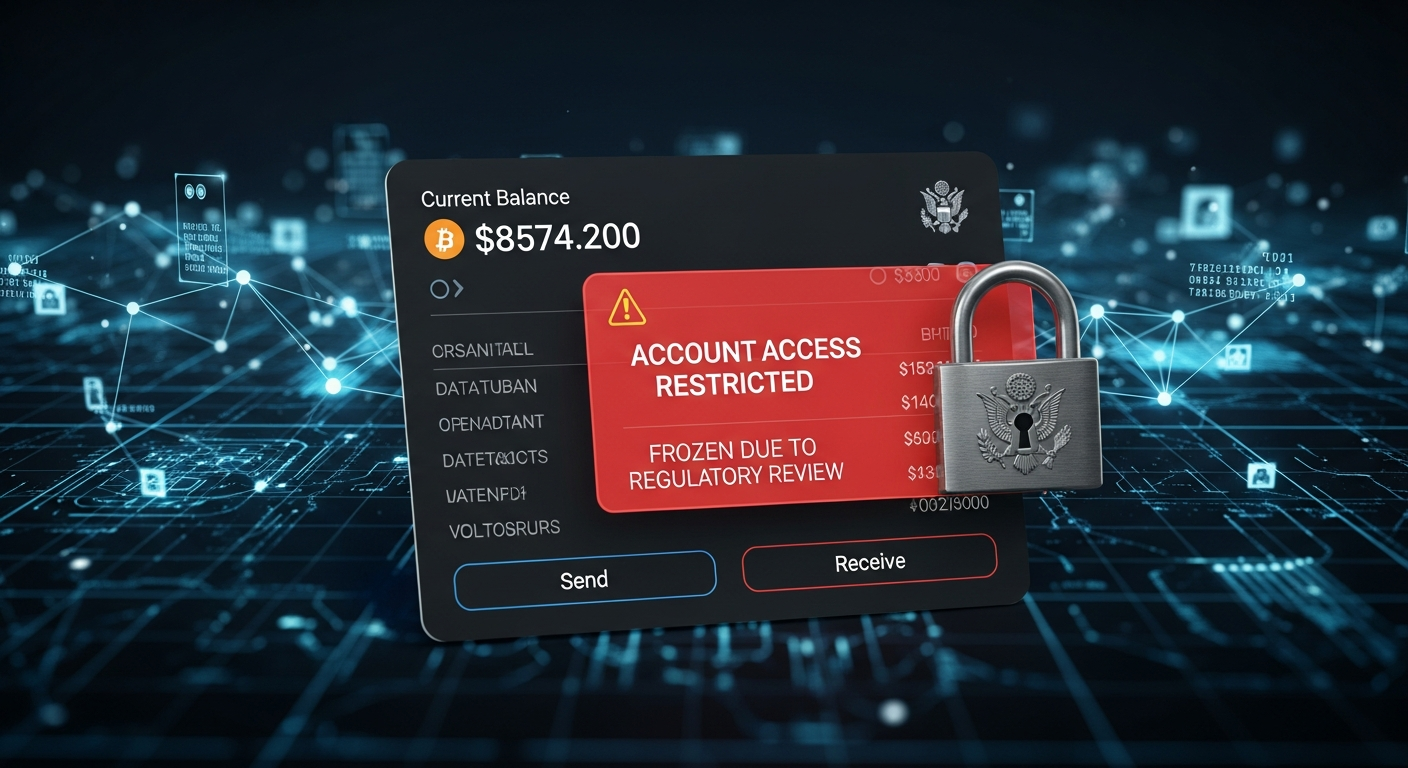
When OFAC designates a Bitcoin wallet address or lists a cryptocurrency exchange on the SDN List, all assets associated with that address become immediately blocked — U.S. persons are prohibited from transacting with them, and exchanges must freeze any funds they hold. If your Bitcoin has been blocked due to OFAC sanctions, a bitcoin sanctions lawyer can file for a specific license to release funds, petition for SDN delisting, or challenge the designation through administrative and judicial review.
The U.S. Office of Foreign Assets Control (OFAC) has aggressively expanded its sanctions enforcement into the cryptocurrency space. Since 2018, when OFAC confirmed that virtual currencies are subject to the same sanctions regulations as traditional financial assets, Bitcoin and other digital assets have been firmly within the agency’s enforcement jurisdiction. OFAC can — and does — add individual wallet addresses, cryptocurrency exchanges, and virtual asset service providers (VASPs) to the Specially Designated Nationals (SDN) List, effectively freezing any assets associated with those identifiers across the U.S. financial system.
The consequences of an OFAC designation in the crypto context are immediate and sweeping. Any U.S. person or entity — including exchanges, custodians, DeFi protocols, and individual holders — that transacts with a sanctioned wallet can face civil penalties of up to $377,700 per violation (or twice the transaction value, whichever is greater), and criminal prosecution in egregious cases. Between 2019 and 2024, OFAC collected over $1.5 billion in cryptocurrency-related enforcement settlements, with major exchanges including Coinbase, Kraken, BitPay, BitGo, and Poloniex all paying significant fines.
Understanding how OFAC bitcoin sanctions work is the first step toward defending your assets. Whether your funds were blocked by an exchange citing sanction screening, you received cryptocurrency from an address later added to the SDN List, or you or your business has been directly designated, a qualified bitcoin sanctions lawyer can map the exact regulatory basis for the block and identify the fastest path to recovery or delisting.

How Bitcoin Gets Sanctioned
| Designation Type | How It Works | Example |
|---|---|---|
| SDN Wallet Address Listing | OFAC adds specific cryptocurrency wallet addresses as identifiers to an SDN entry. Any U.S. person receiving or sending funds to that address violates sanctions, regardless of intent. | OFAC listed over 40 ETH/BTC addresses tied to the Lazarus Group (DPRK) in 2022, including wallets used in the $625M Ronin Network hack. |
| Exchange / VASP SDN Designation | An entire exchange or VASP is added to the SDN List. All accounts, wallets, and funds held by the platform become blocked property. U.S. persons cannot use the platform. | Garantex (Russia), SUEX, and Chatex were designated under Executive Order 13694, cutting them off from the U.S. financial system. |
| State-Sponsored Hacker Wallets | Wallets used by state-sponsored cyber actors — particularly North Korea’s Lazarus Group, Iran’s APT groups — are listed as part of broader cyber sanctions programs. | Lazarus Group wallets associated with WannaCry ransomware and multiple DeFi bridge exploits totaling over $1 billion. |
| Ransomware Payment Addresses | Bitcoin addresses used to collect ransomware payments are designated under the Cyber-Related Sanctions Program. Paying a ransom to a designated address is a sanctions violation. | Evil Corp, REvil/Sodinokibi, and Darkside ransomware payment wallets were all designated by OFAC. |
| Darknet Market Crypto Wallets | Wallets associated with sanctioned darknet markets are listed alongside the marketplace designation. Any crypto traceable to those markets carries sanctions exposure for downstream holders. | Hydra Market (Russia) designated April 2022; OFAC simultaneously identified $25M+ in Bitcoin wallets tied to the platform. |
| Secondary Sanctions (Non-U.S. Holders) | Non-U.S. persons who conduct significant transactions with SDN-listed crypto entities risk designation themselves under secondary sanctions, cutting them off from dollar-denominated markets. | Foreign exchanges that processed transactions for Garantex or other SDN-listed VASPs have faced secondary sanctions risk under CAATSA. |

Recovering Blocked Bitcoin & Crypto Assets
- Identify the Blocking Authority and Regulatory Basis. Determine exactly why assets were blocked: Is a specific wallet address SDN-listed? Was the exchange itself designated? Were funds blocked due to a blockchain analytics flag? Is the client personally named as an SDN? Each scenario has a different legal basis and procedural pathway.
- Engage OFAC Counsel Immediately. Time matters in sanctions matters. OFAC counsel can communicate directly with the exchange’s compliance team, issue legal holds, and begin the licensing or delisting process before the situation hardens into a formal enforcement action.
- Determine Whether Assets Are Exchange-Held or Self-Custodied. If Bitcoin is held by an exchange that has frozen it, the primary pathway is a specific license application to OFAC. If Bitcoin is in a self-custodied wallet, OFAC cannot physically seize it — but transacting without authorization remains a violation, requiring a license or delisting before funds can move through any compliant channel.
- Apply for an OFAC Specific License. Your attorney submits a detailed license application explaining the applicant’s identity, the nature of the blocked assets, the proposed transaction, and the legal and factual basis for granting relief. Processing times range from 30 days to over a year depending on the sanctions program.
- File an SDN Delisting Petition if Personally Designated. If you or your business has been directly added to the SDN List, the primary remedy is an administrative reconsideration petition under 31 C.F.R. § 501.807, compiled to demonstrate the designation was factually incorrect or circumstances have changed. This process typically takes 6–18 months.
- Consider Judicial Review Options. If administrative remedies are exhausted or unreasonably delayed, federal courts have jurisdiction to review OFAC designation decisions under the Administrative Procedure Act. Courts have reviewed SDN designations for evidentiary basis and due process compliance.
OFAC Enforcement Timeline for Crypto
| Year | Action | Settlement Amount | Significance |
|---|---|---|---|
| 2019 | Poloniex — processing transactions with users in Cuba, Iran, Sudan, and Syria | $98,830 | First major U.S. crypto exchange OFAC settlement; established geographic IP screening as separate requirement from standard KYC/AML |
| 2020 | BitGo — failing to prevent users in Crimea, Cuba, Iran, Sudan, and Syria from using non-custodial wallet service | $98,830 | Landmark: sanctions obligations apply to non-custodial wallet software providers, not just exchanges — expanding compliance perimeter across the ecosystem |
| 2021 | BitPay — processing 2,102 transactions ($128,582) for users in sanctioned jurisdictions including Cuba, Iran, North Korea, Russia (Crimea) | $507,375 | Demonstrated that payment processors accepting crypto face same OFAC obligations as traditional payment rails, regardless of asset type |
| 2021 | Coinbase — processing ~$1M in transactions for persons in Cuba, Iran, Syria, and other sanctioned jurisdictions | $6,095,150 | Largest crypto OFAC settlement at the time; reflected Coinbase’s cooperation and remediation program; highlighted importance of geographic controls at scale |
| 2022 | Kraken — processing transactions for users in Iran, including over 826 apparent violations over multiple years | $362,158 | Emphasized ongoing nature of geographic compliance failures; underscored importance of continuous monitoring, not just onboarding screening |
| 2023 | Binance — DOJ/FinCEN/OFAC coordinated action for systemic AML and sanctions compliance failures, including Iran, Russia, Cuba transactions | $4.3 billion (total penalties) | Largest financial compliance penalty in history; CEO Changpeng Zhao personally pleaded guilty; established that exchange scale does not insulate from full OFAC enforcement |

Self-Custodied vs Exchange-Held Crypto — Different Legal Strategies
Exchange-Held Crypto: When Bitcoin is held by a regulated exchange or custodian that has frozen it due to an OFAC compliance obligation, you are dealing with a corporate compliance decision that is subject to OFAC oversight. Your legal strategy centers on the exchange’s internal compliance processes, OFAC’s specific license pathway, and the evidentiary record before the exchange and OFAC. The exchange has likely already filed a blocked property report with OFAC within 10 business days of the freeze, which creates a documented record. Your attorney will work with the exchange’s compliance team and OFAC simultaneously to pursue the fastest path to release.
Self-Custodied Crypto: If Bitcoin is in a hardware wallet, software wallet, or multi-sig arrangement that you control directly, the situation is fundamentally different. OFAC cannot technically seize assets from a non-custodial wallet — the private keys remain in your control. However, you are prohibited from transacting those assets through any compliant channel (exchange, OTC desk, DeFi protocol) without OFAC authorization. Attempting to move or liquidate the assets through non-compliant channels would compound your legal exposure. The legal strategy focuses on obtaining OFAC authorization — either through a specific license or SDN delisting — before any transaction occurs.
Bitcoin sanctions cases rarely exist independently of the broader DeFi ecosystem — OFAC’s Lazarus Group designations have simultaneously targeted Bitcoin and Ethereum wallets used in cross-chain bridge exploits and DeFi liquidity pool attacks. If your Bitcoin exposure traces to DeFi protocol interactions or cross-chain transactions involving wrapped BTC, our DeFi sanctions lawyers provide targeted defense covering smart contract liability, DAO governance exposure, and the Tornado Cash precedent’s implications for decentralized protocol users and liquidity providers.

Many Bitcoin sanctions cases originate when an exchange freezes funds citing OFAC compliance obligations — often triggered by blockchain analytics platforms flagging indirect exposure through sanctioned platforms. If your Bitcoin was held on or transacted through an OFAC-designated platform such as Garantex, Bitzlato, or Nobitex, our sanctioned crypto exchange lawyers assess voluntary self-disclosure options, prepare OFAC-specific license applications for blocked funds, and manage your exposure through the enforcement process.
Bitcoin enforcement is one component of OFAC’s comprehensive digital asset sanctions program, spanning SDN wallet address designations across Bitcoin, Ethereum, and other blockchains, country-based embargo programs targeting VASPs in sanctioned jurisdictions, and the 50% Rule’s application to crypto holdings of SDN-designated entities. For a complete overview of how OFAC cryptocurrency sanctions operate across the digital asset ecosystem, our practice provides the full regulatory and enforcement context needed to build an effective defense strategy.
Back to Crypto Sanctions Lawyers | Contact us for a confidential consultation about your blocked Bitcoin.
Message a sanctions lawyer on WhatsApp — confidential, reply within 24 hours.
Frequently Asked Questions About Bitcoin Sanctions
Can OFAC freeze Bitcoin in a hardware wallet?
OFAC cannot technically seize or freeze Bitcoin held in a self-custodied hardware wallet — it has no access to your private keys and no technical mechanism to prevent you from signing transactions. However, OFAC can designate your wallet address on the SDN List, which means that any U.S. person or compliant exchange that receives a transaction from your wallet is prohibited from accepting it and must freeze any incoming funds. In practical terms, your Bitcoin becomes unusable through any compliant channel — no exchange will accept it, no DeFi protocol with U.S. compliance obligations will process it, and any attempt to use it through compliant infrastructure will be blocked. The legal remedy is OFAC delisting or a specific license authorizing your transactions.
My exchange blocked my withdrawal citing OFAC — what do I do?
First, request written confirmation from the exchange identifying the specific SDN entry or OFAC compliance reason for the block. Do not attempt to transfer funds through a different exchange or wallet without legal advice — this may compound your exposure. Engage a bitcoin sanctions lawyer immediately. Your attorney will assess whether you are personally designated, whether the funds themselves are tainted by proximity to a sanctioned address, or whether this is an erroneous flag by the exchange’s analytics tools. Many OFAC-cited exchange blocks result from false positive analytics hits that can be resolved through documentation and legal advocacy without formal OFAC involvement. If the block is based on a genuine SDN connection, your attorney will initiate the license or delisting process.
If I received Bitcoin from a sanctioned address, am I liable?
Receiving Bitcoin from a sanctioned address can create civil liability under OFAC’s strict liability standard, even if you did not know the sender was sanctioned. However, OFAC’s enforcement guidelines specifically recognize that unknowing receipt of funds from a sanctioned party — particularly when the recipient took no affirmative steps to engage with sanctioned parties — is a strong mitigating factor that often results in no formal enforcement action. The key questions are: Are you a U.S. person subject to OFAC jurisdiction? Did you knowingly interact with the sanctioned party? Have you subsequently transacted those funds through compliant channels? What is the amount involved? If you believe you have received Bitcoin from a sanctioned address, consult a sanctions lawyer before taking any action — including attempting to return the funds or reporting the receipt.
Can I get a license to sell OFAC-blocked crypto?
Yes, in many cases. OFAC’s specific license process allows it to authorize otherwise-prohibited transactions on a case-by-case basis. Grounds that have supported successful crypto license applications include: demonstrating that you are an innocent third party with no connection to the sanctioned conduct; showing that the funds at issue are needed for legal fees to contest the designation; establishing that the proposed transaction actually serves U.S. foreign policy interests; and humanitarian grounds. The license application must be detailed and legally precise — vague or incomplete applications are routinely denied. Your attorney will assess the applicable sanctions program, identify the strongest grounds for relief, and prepare a submission designed to maximize the probability of OFAC approval.
How long does it take to unblock crypto assets from an exchange?
The timeline depends on why the assets were blocked. If the block resulted from an erroneous analytics flag with no genuine SDN connection, resolution through legal advocacy with the exchange’s compliance team can take as little as 2–8 weeks. If an OFAC specific license is required, processing times currently range from 3–12 months for straightforward cases, with complex cases taking 12–24 months or longer. If you are personally designated and pursuing SDN delisting, the administrative process typically takes 12–24 months, though OFAC has no statutory deadline and some cases extend significantly longer. Pursuing multiple pathways simultaneously — license application and delisting petition, for example — can accelerate the overall timeline.